- Blog
- 2026/06/23
1-Inch Mini Succulent Pots: Complete B2B Wholesale Buying Guide (CUL-003)
Understanding 1-Inch Pots: Dimensions, Plant Compatibility, and Use Cases
1-Inch vs. Standard Nursery Pots: Diameter, Height, and Capacity Compared
Many overseas buyers receive their first sample of a 1-inch pot and immediately ask: "Is this really one inch? It looks even smaller than I expected." That confusion is the most common sizing issue in this product category.
AIERMEI's standard CUL-003 specification measures approximately 3–4 cm in top diameter, 3 cm in height, and holds a volume of roughly 10–15 ml — a true micro-container designed exclusively for miniature planting.
As a practical rule when requesting quotes: always ask suppliers for the three-number spec — top diameter × height × capacity in metric units. Relying on the "inch" label alone introduces conversion errors, since pot sizing in horticulture is a trade convention, not a direct imperial-to-metric calculation.
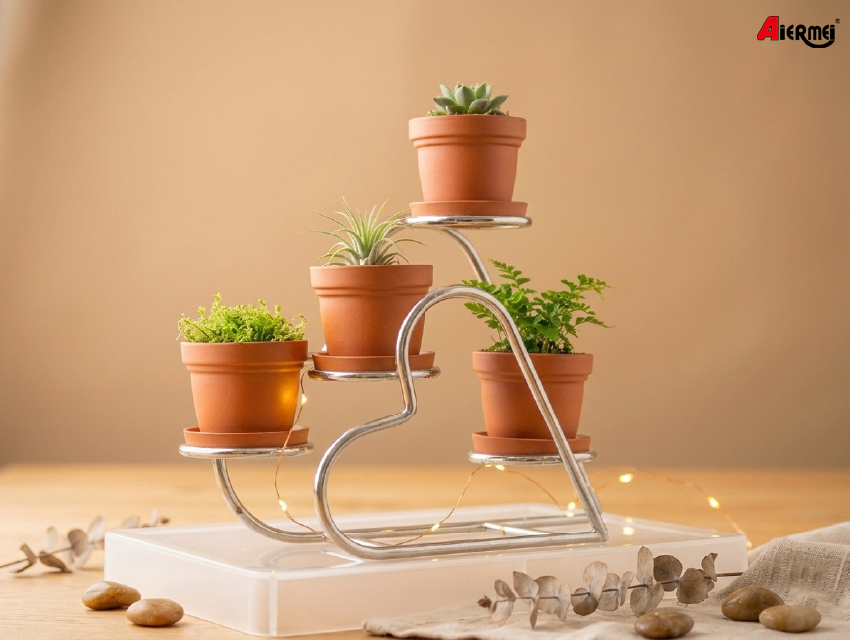
What Plants Work in 1-Inch Pots — and What They're Really Used For
If a standard nursery pot is for growing a plant, a 1-inch mini pot is closer to a building block for creative arrangements — each one small enough to recombine endlessly.
The most common application is pairing with compact Crassulaceae succulents: Echeveria, Aeonium, and Sedum varieties with rosette diameters of 2–3 cm fit perfectly. These are the staple plants for DIY arrangement sets, office desk decor, and therapeutic craft kits.
One craft studio we supply ordered a large quantity of CUL-003 pots for use as wedding favors and corporate event gifts — over 500 completed arrangements in a single run. The low unit cost and high output throughput of miniature pots were the deciding factors.
When sourcing 1-inch pots in volume, it's worth asking your supplier whether they can provide a bundled "arrangement kit" recommendation alongside the pots — it reduces time-to-production on the buyer's end.
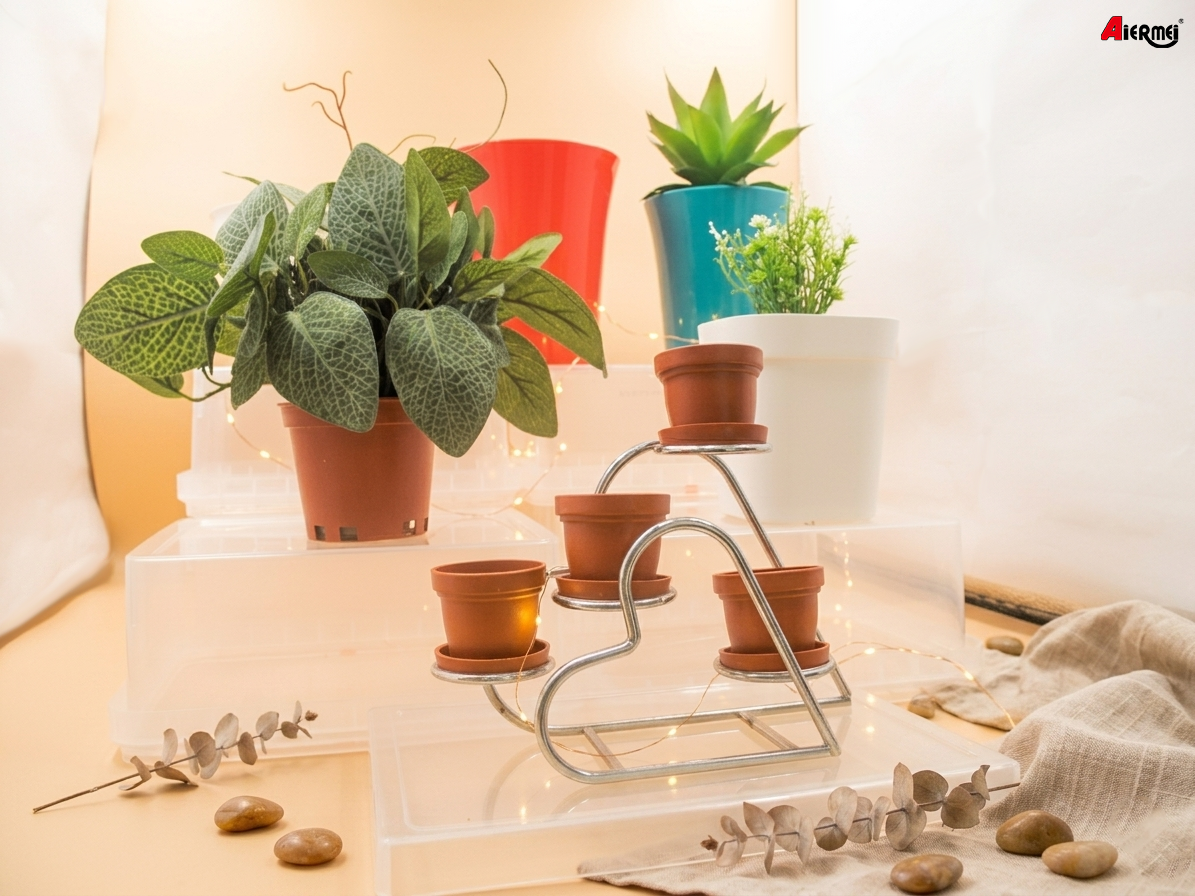
Use Case Comparison: Desktop Decor vs. Propagation and Nursery Production
The same pot can be a decorative object on a desk or a production tool in a greenhouse — and that dual identity is what makes 1-inch pots uniquely flexible in a product lineup.
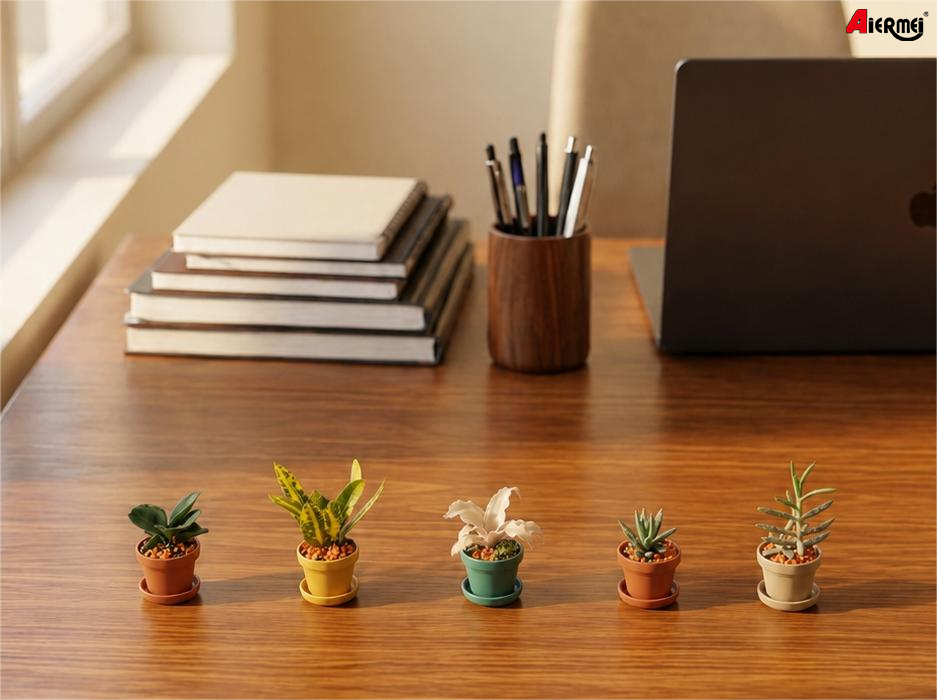
On the retail and gifting side, the compact footprint makes 1-inch pots the default choice for desk arrangements, shelf displays, and window-ledge collections. They appear frequently in corporate gifting programs, trade show giveaways, and e-commerce gift sets.
If you're building both a decorative line and a propagation line, it's worth requesting a combined quote for 1-inch and 3-inch pots in one order — it reduces tooling and shipping overhead significantly.
One of our e-commerce clients started with 3-inch pots for seedling sales. After adding a desktop micro-arrangement gift box series using 1-inch pots, their order volume grew by nearly 20% and their product range became considerably more versatile.
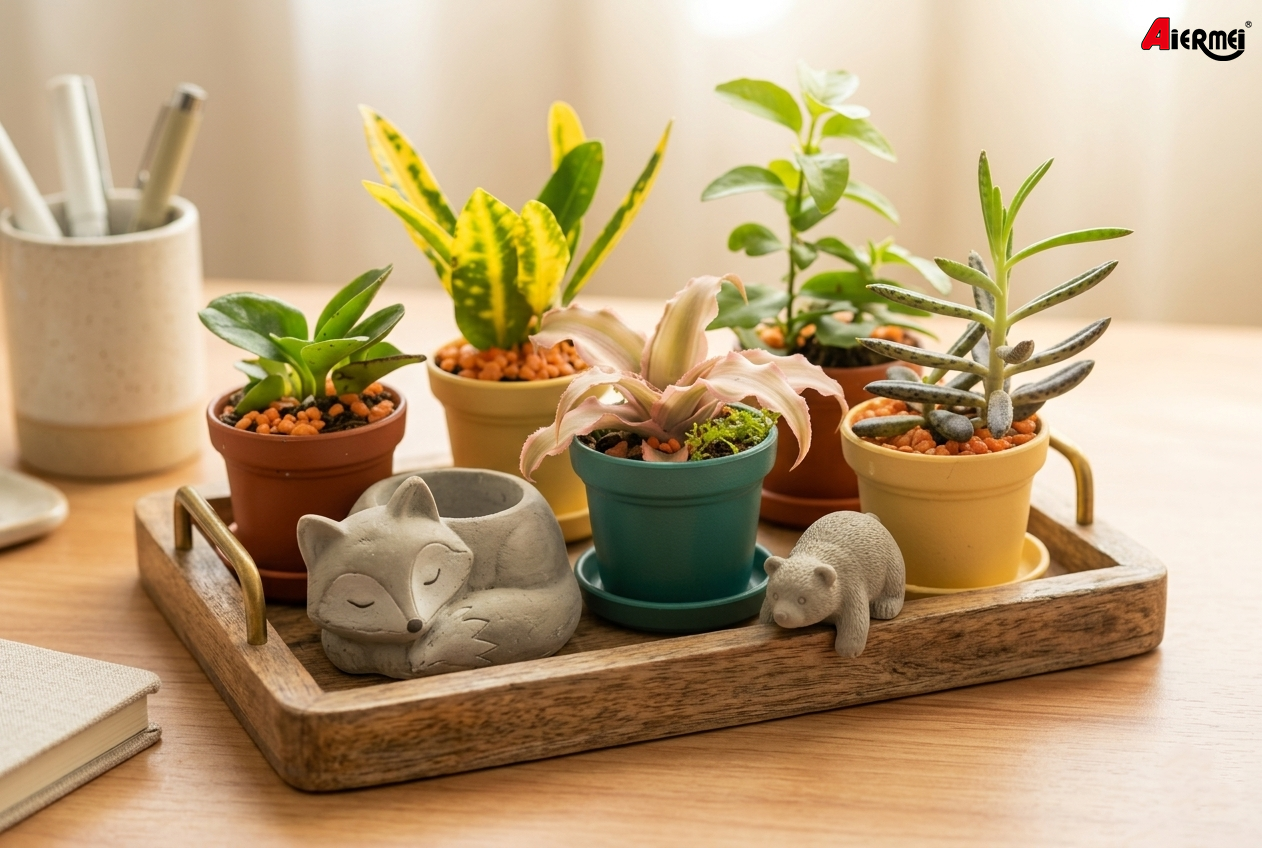
Sourcing 1-Inch Pots for Workshops and Studios: Supply Consistency, Advantages, and How to Start
Why Consistent Supply Matters More Than Pot Selection for Workshop Operators
Instructors running regular horticultural workshops have shared a frustration we hear more than almost any other:
"We had the course ready, participants enrolled — then the pots were out of stock. We had to switch to a different style at the last minute. The students received something different from what was in the photos. That kind of inconsistency hurts your brand."
That experience points to a supplier selection problem, not a product selection problem.
Workshop purchasing operates differently from retail purchasing. A workshop has a defined visual theme, photography and social sharing requirements, and potentially branding or co-production needs. Monthly cohorts need the same pot every session — not "whatever happens to be available." That's why choosing the right supplier is more important than choosing the right pot.
What AIERMEI Offers Workshop and Studio Buyers
✦ Stable supply that keeps your program on schedule
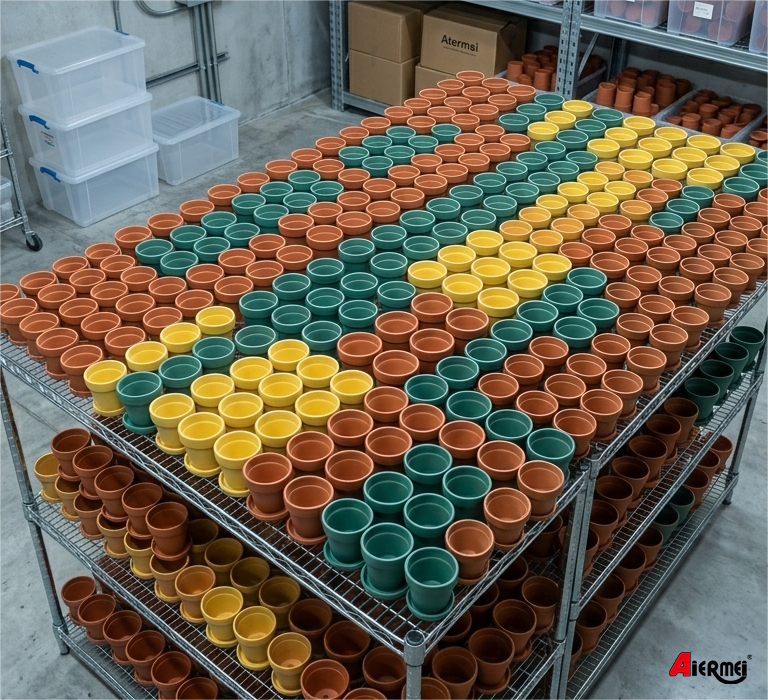
AIERMEI is a Taiwan-based manufacturer. We own our tooling and run our own production — no import dependencies, no vessel delays. Share your monthly volume estimate and our factory will schedule your production runs and hold stock accordingly. You won't encounter a "this item sold out, next batch in two months" situation.
The CUL-003 in terracotta red is a core long-term product. It will not be quietly discontinued or restyled. For studios that rely on visual consistency across sessions, that commitment matters more than price per unit.
Every pot a participant takes home carries your studio's identity — that's the most natural form of word-of-mouth your brand can generate.
Is a Direct Manufacturer Partnership Right for Your Studio?
Not every studio needs to source directly from a manufacturer — but if any of the following describe your operation, it's worth a conversation:
- You run regular monthly sessions with over 3,000 units per month in pot usage
- Visual consistency across sessions matters for your branding and photography
- You've been burned by a supplier going out of stock mid-program
If you're earlier in your growth — fewer sessions, fluctuating cohort sizes — we also offer small-batch entry orders on standard styles. Start without committing to custom tooling; scale into it once your program stabilizes.
FAQ: Wholesale Buying Guide for 1-Inch Mini Succulent Pots
Q1: How big is a 1-inch succulent pot in centimeters? How does it compare to 2-inch and 3-inch pots?
This is the most frequently re-confirmed question in any 1-inch pot inquiry, despite being straightforward once you know the answer.
A 1-inch pot from AIERMEI has a top diameter of approximately 3–4 cm and a height of around 3 cm, with a capacity of about 10–15 ml. A 2-inch pot has a top diameter of roughly 6 cm; a 3-inch pot, roughly 9 cm — with a volume several times larger than the 1-inch.
The key clarification: in horticultural pot sizing, "inch" refers to a product category number, not a direct imperial measurement. You cannot convert pot sizes by multiplying by 2.54. Always confirm exact diameter × height figures in centimeters with your supplier, and request a physical comparison sample showing 1-inch, 2-inch, and 3-inch pots side by side.
Q2: What plants are suitable for 1-inch pots, and how long can they stay in them?
Small as they are, 1-inch pots hold more potential than their volume suggests — especially for the right plant species.
They work best with compact Crassulaceae succulents — Echeveria, Sedum, Aeonium — with rosette diameters of 2–3 cm or less. These are common choices for DIY arrangement kits, therapeutic craft products, and office desk accessories. Young plants can remain comfortably in a 1-inch pot for roughly 3–6 months. Once the plant outgrows the container and roots become crowded, repotting into a 2–3 inch pot is recommended to avoid stunted growth.
A practical add-on for product packaging: include a brief note on the label or instruction card recommending repotting after 3–6 months. It reduces post-purchase inquiries and improves the end customer experience.
Q3: How do workshop operators and studios place wholesale orders?
Direct manufacturer sourcing isn't the right fit for every operator — but if these conditions apply to your business, it's worth reaching out:
- Monthly pot usage exceeds 3,000 units across regular sessions
- You need visual consistency across workshops and don't want to switch styles mid-program
- You've experienced supply disruptions from previous vendors
If you're just starting out or your schedule is still variable, small-batch orders on standard styles are available. Build into custom tooling once your program is stable.
Q4: How does the ordering process work?
- Tell us your workshop theme and estimated monthly volume — we'll recommend the right pot style, size, and any relevant variations
- Request samples before committing — inspect the material, test-plant a succulent, and confirm the fit before placing a production order
- Confirm specs and place your first order — any custom requirements such as color, sizing adjustments, or labeling can be discussed at this stage
No long-term contracts. No requirement to order large quantities upfront. A good supply relationship is one that works consistently — that's the only kind worth maintaining.