- Blog
- 2026/07/24
Do Self-Watering Pots Really Keep Plants Alive? How the L-186 Joy Of Spring Pot Lets Plants "Drink" on Their Own!
Home > News > Blog > Do Self-Watering Pots Really Keep Plants Alive? How the L-186 Joy Of Spring Pot Lets Plants "Drink" on Their Own
After three weeks away on a business trip, an office pothos plant wasn't just alive when I got back — it had grown noticeably fuller than before I left. That's not a coincidence; it's the design principle of a self-watering pot at work. But for wholesale buyers, the real question isn't "will the plant survive" — it's whether the difference between this product and an ordinary pot is significant enough to give customers confidence to buy. This article walks through three angles — structure, plant compatibility, and sourcing evaluation — to help you understand what makes self-watering pots work.
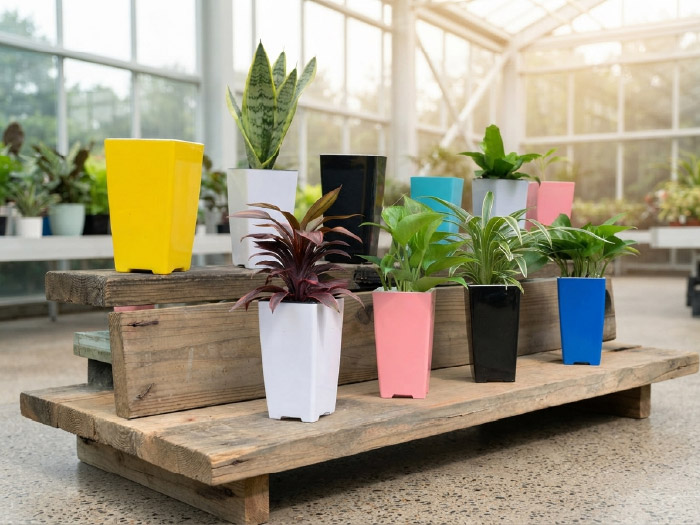
The Core Structural Difference: Why Self-Watering Pots Don't Need "Watering"
Traditional Pots vs. Self-Watering Pots: The Fundamental Difference Between Drainage Holes and Water Reservoirs
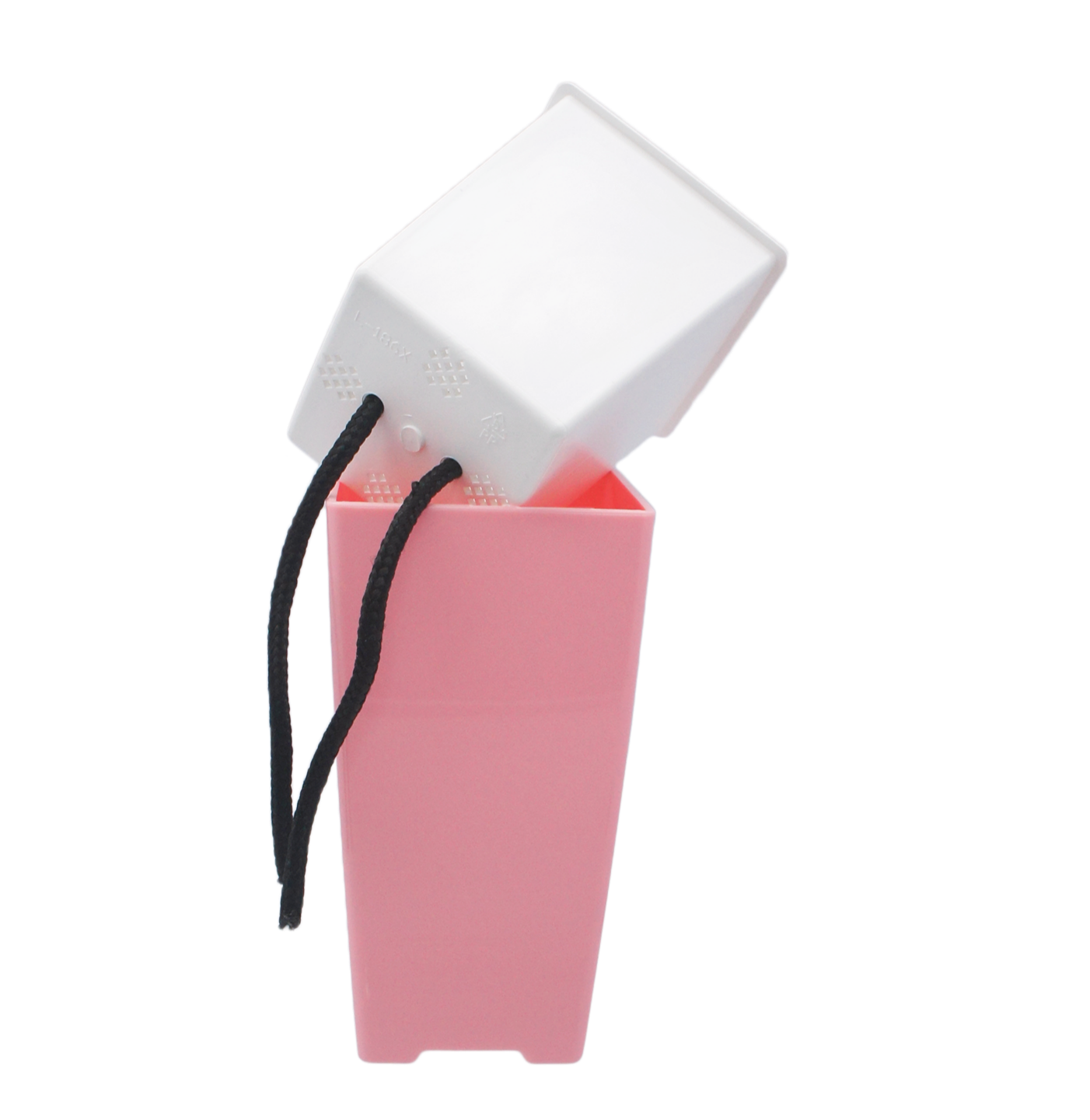
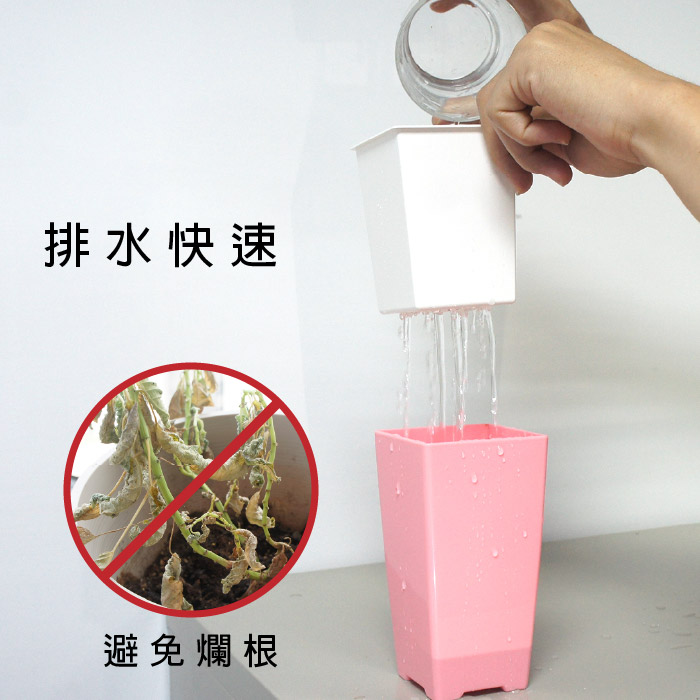
The logic of a traditional pot is simple: water it, let it drain, and water again once the soil dries out. A self-watering pot works on an entirely different system — it replaces the "drainage hole" with a "water reservoir." A double-layer inner-and-outer structure turns the lower chamber into a small reservoir, so the plant no longer depends on manual watering and instead decides for itself when to "drink." This structural shift is the key step that has evolved plastic garden pots from simple containers into smart care tools.
The Capillary Action Principle: How a Single Cotton Wick Makes "No-Watering" Possible
The principle itself isn't complicated: a cotton wick connects the planting basket to the reservoir below, and capillary action slowly draws water up into the soil. Science-fair test data has shown that this wick-based method can save up to nearly 80% of water use compared to conventional watering, while also avoiding the wet-dry stress cycles caused by irregular watering. For wholesalers, this is also a strong selling point: it saves water, saves effort, and helps extend the survival rate of plants after they reach the end consumer.
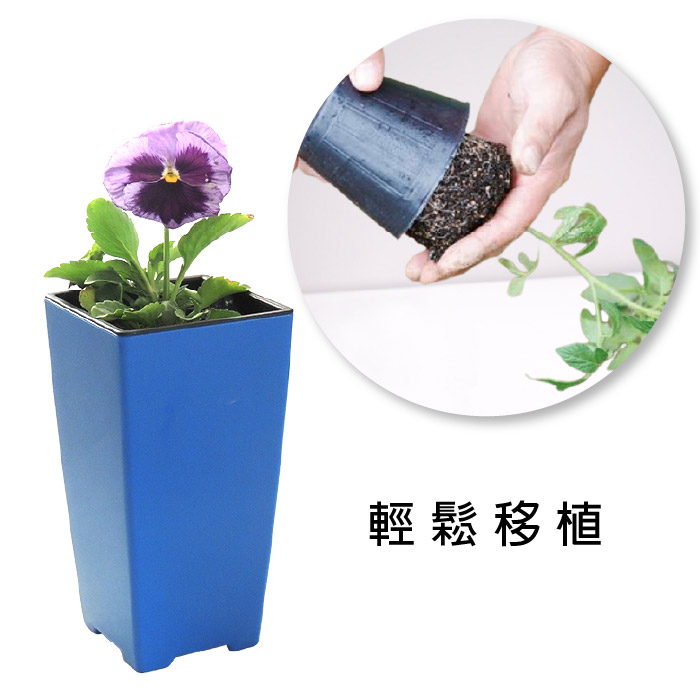
The Detail Most People Overlook: Water-Level Limit Design Is What Separates Quality Products
Here's a key point that many competing products don't make clear: more water in the reservoir is not always better. If the water level is too high, the base of the planting basket sits in water for extended periods, which can suffocate the roots and lead to yellowing leaves or root rot. A well-designed product has a clearly defined maximum water-level structure that keeps the water within a safe range, rather than leaving it to the consumer to guess. This leads directly into the plant compatibility issue discussed next.
Not Every Plant Works: Confirming Plant Compatibility Before You Buy
Which Plants Suit Self-Watering Pots? (A List of Moisture-Tolerant Foliage Plants)
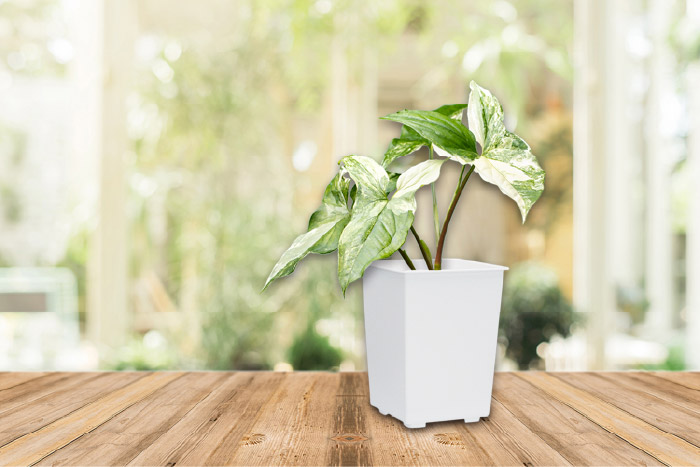
Self-watering pots are best suited to plants that thrive in consistently moist soil and can tolerate prolonged root contact with water, such as common foliage plants like pothos, syngonium, and peace lily. These species maintain stable growth even when the reservoir holds water for extended periods, making them the safest entry-level recommendation for wholesalers passing products down to retail.
Special Notes for Orchids and Succulents: Keep the Water Level Below Half of the Maximum Limit
Orchids and succulents are a different case entirely. Their root systems dislike stuffy, waterlogged conditions, and filling the reservoir as you would for an ordinary plant can easily cause root rot within two to three weeks. Based on our own testing, when growing orchids or succulents the water level must be kept below half of the maximum limit to balance the convenience of low-maintenance watering with healthy roots. This specific figure is exactly the kind of detail buyers should confirm with suppliers — not a vague claim of "suitable for all plants."
Common Misuse Scenarios: How Wholesalers Can Pre-Emptively Advise Downstream Retailers
We've also heard from channel partners about cases where a consumer mistakenly filled an orchid pot to the top, and the entire plant developed root rot within a month. This kind of situation is entirely avoidable — simply including a short usage reminder card with each shipment, explaining the recommended water levels for different plant types, can significantly reduce return and exchange disputes and protect brand reputation. This is also why whether a supplier provides clear usage guidance directly affects the rate of complaints further down the supply chain.
A Sourcing Guide for Wholesale Buyers: How to Evaluate Self-Watering Pot Suppliers
Material and Durability: Quality Indicators for Injection-Molded Plastic Pots
The most practical consideration for wholesale buyers is always whether a batch can hold up to long-term use and shipping. Quality plastic garden pots use high-grade injection-molded plastic that balances light weight with structural strength, resisting brittleness or warping from prolonged sun exposure or handling. When evaluating suppliers, it's worth asking directly for weathering test data rather than judging by appearance alone.
Sealed Reservoir Design: No Mosquito Breeding, Meeting Overseas Market Hygiene Requirements
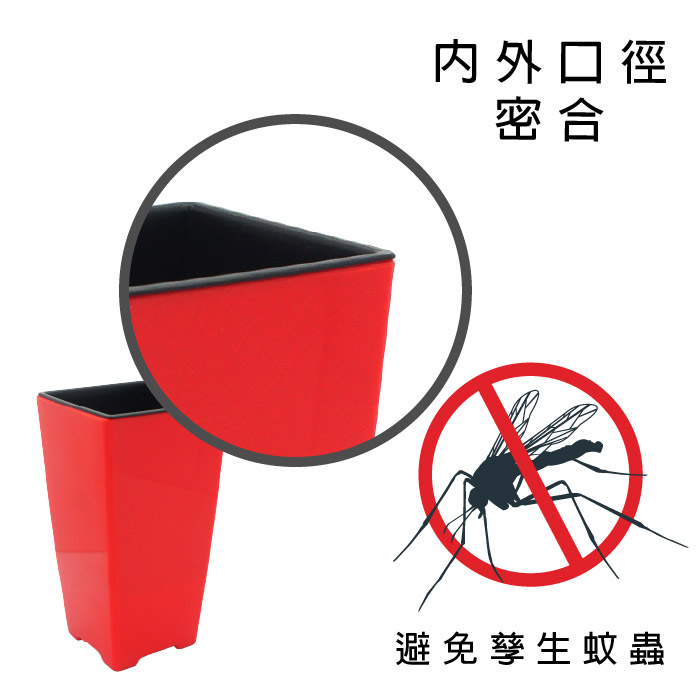
Standing water in a reservoir raises an obvious concern: mosquito breeding — a pain point that has drawn consumer complaints for many similar products. A sealed reservoir space between the inner and outer pots effectively blocks mosquitoes from entering to lay eggs. This is especially important for exporting to overseas markets, since hygiene regulations and consumer sensitivity vary by region — another detail that shouldn't be overlooked when evaluating suppliers.
OEM/Customization Capability: Key Evaluation Points from Color and Size to Mass-Production Consistency
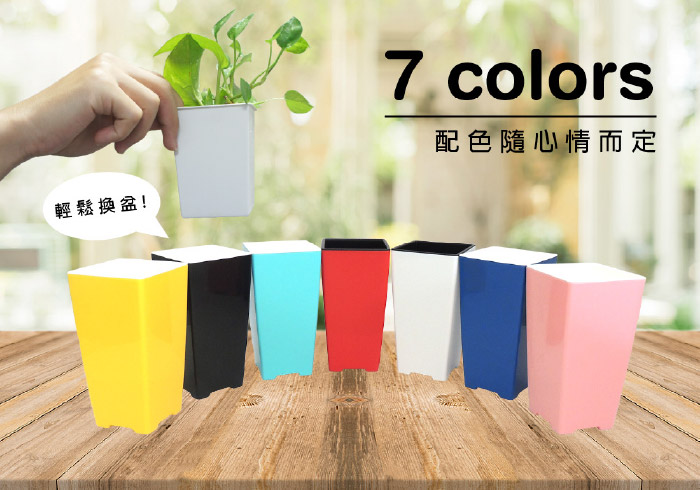
Finally, the aspect wholesale buyers care about most: whether a supplier can accommodate customization needs. From candy-color palettes and different size specifications to consistency across large production runs, these factors determine whether a long-term partnership will run smoothly. Before placing an order, it's worth asking the supplier directly for evidence of consistent quality between sample runs and mass production, to avoid the risk of a large gap between small test batches and bulk shipments.
Frequently Asked Questions (FAQ)
Q1: How long can a self-watering pot go without attention?
Depending on the plant species and ambient humidity, most foliage plants can go one to two weeks without watering. Regular checks on the reservoir level are still recommended to avoid the reservoir running completely dry or the water becoming cloudy.
Q2: How is a self-watering pot different from a commercial automatic irrigation device?
An automatic irrigation device is an add-on unit attached to the outside of a pot, usually requiring power or a timer. A self-watering pot has the reservoir structure built into the pot itself, requiring no extra equipment. It is simpler to operate and better suited to large-scale wholesale distribution.
Q3: What quality issue is most often overlooked when buying self-watering pots in bulk?
The most commonly overlooked issue is consistency in water-level control — if the maximum-water-level design is not stable across a production batch, some units may hold excess water, leading to root rot complaints from downstream customers. Buyers should confirm the manufacturer's tolerance control during production.
Q4: Can the color, size, and reservoir capacity be customized to market needs?
Yes. Most injection-molded pot suppliers can offer color and size customization based on order volume, and the reservoir capacity and maximum water level can also be adjusted to suit the plant types favored by the target customer base. It's best to clearly communicate the target market's plant types during negotiations.
Q5: Can the internal components be purchased separately?
Yes. Both core components of the L-186 Joy Of Spring Pot can be purchased separately: the L-186X Square Tall Pot (the inner pot, available in black and white and two sizes, with drainage holes and raised feet at the base for better airflow), and the L-186A Bowl-Cone Base Pad (placed at the bottom of the pot to replace bulk drainage media, using a grid drainage design to enhance airflow and prevent waterlogging; made of durable, reusable material). Wholesalers wanting extra protection against root rot can add the L-186A pad as an upgraded configuration, which is also useful for differentiating product bundles for moisture-sensitive plants such as orchids and succulents.
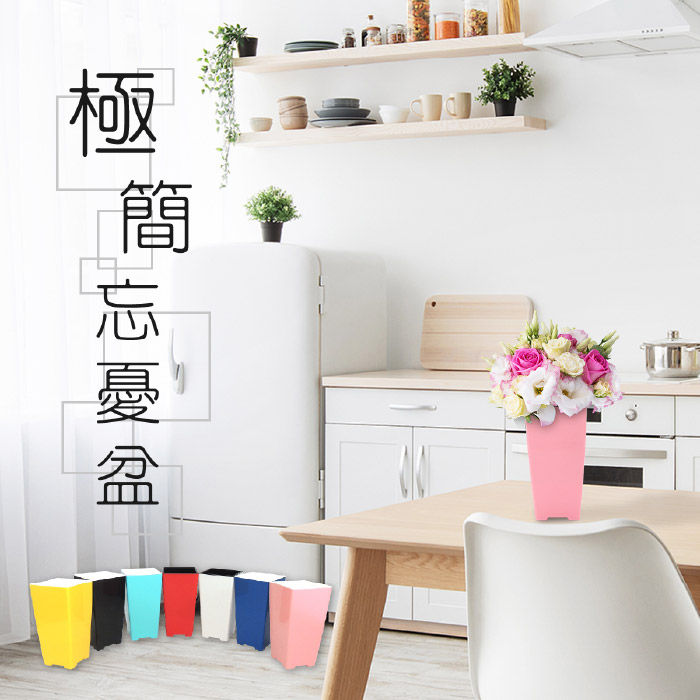
The difference between a self-watering pot and an ordinary pot isn't just "having a reservoir or not" — it's a shift in the entire design philosophy, from passively waiting to be watered to actively controlling the water supply. For wholesale buyers, understanding these differences is what makes it possible to choose products that can genuinely stand up to market scrutiny, and to speak with real authority when recommending them to downstream customers.