- Blog
- 2026/07/13
How to Choose the Right Grow Bed Bench: A Complete Comparison of Plastic vs. Metal
For wholesale greenhouse suppliers and growers, “should we use metal or plastic grow bed benches?” is a question that resurfaces every time procurement decisions come around. Traditional metal grow bed frames tend to rust and corrode over time, and assembly and disassembly can add significant labor costs. Starting from the core functions of a grow bed bench, AIERMEI provides a complete comparison between plastic grow bed benches and traditional metal frames, and introduces the product advantages of the BNH series composite plastic grow bed bench — giving you a clearer basis for your purchasing decisions.
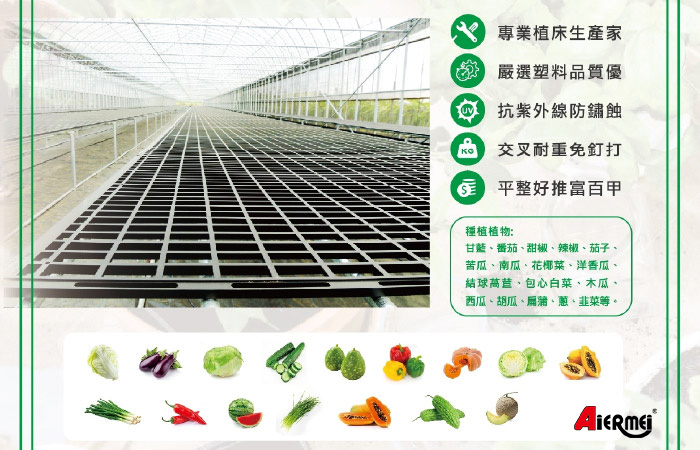
What Are the Core Functions of a Grow Bed Bench?
Four Core Functions of a Grow Bed Bench
- Heat insulation: Prevents summer ground heat from transferring directly to root systems, helping plants maintain a stable growing temperature
- Good ventilation: Elevated growing allows air to circulate beneath the pots, improving root aeration
- Preventing root rot from waterlogging: Water drains quickly after rain or irrigation, preventing prolonged soaking that leads to root rot
- Reduced pest and disease risk: Raising plants off the ground lowers the chance of direct contact with soil-borne pathogens and pests
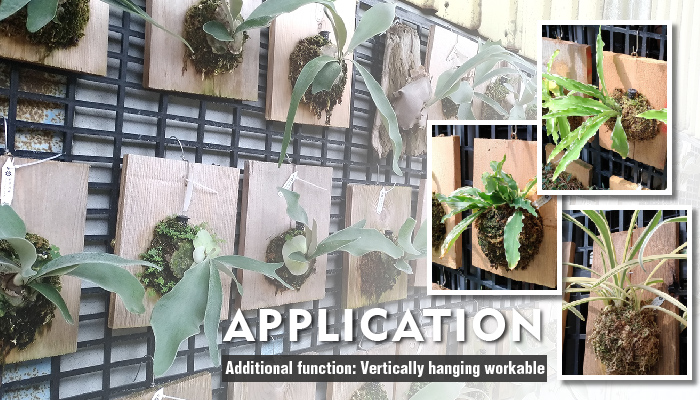
What Are the Differences Between Plastic Grow Bed Benches and Traditional Metal Frames? Five Key Comparisons
This is the core question most purchasing decision-makers want answered. Below is a complete comparison of plastic grow bed benches and traditional metal frames across four key areas: material durability, assembly and maintenance, service life, and environmental sustainability.
Material Durability: Rust and Corrosion vs. Weather and UV Resistance
Metal grow bed frames are exposed to the high heat and humidity of greenhouse environments over long periods. Even with galvanized treatment, seams and screw holes remain prone to rust and corrosion from accumulated moisture, which can eventually affect structural load capacity. Composite plastic grow bed benches, by contrast, are made from UV-resistant materials that do not develop rust from sunlight or humidity, maintaining stable structural strength even after prolonged outdoor or greenhouse exposure.
Assembly and Maintenance Cost: Screw Fastening vs. Tool-Free Assembly
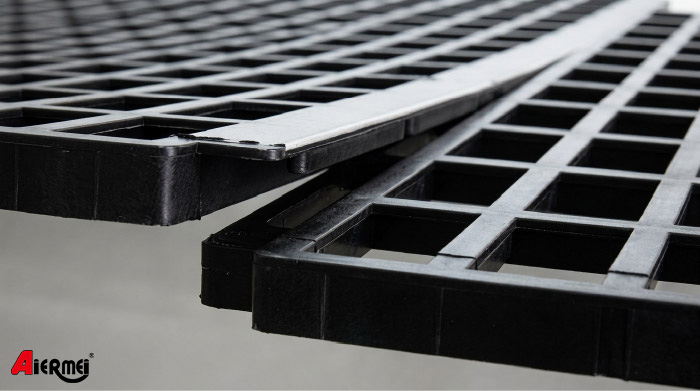
Traditional metal frames usually require screws to be fastened one by one, which is time-consuming. Over time, loose or rusted-in screws are a common maintenance issue, and removal or replacement often requires additional tools. Plastic grow bed benches, on the other hand, are designed for screw-free assembly using a snap-fit structure, making setup, removal, and replacement considerably simpler. This is particularly effective at saving labor and time for greenhouse operators who need to frequently reconfigure their bench layouts.
Service Life and Total Cost of Ownership (TCO)
Comparing unit price alone, metal grow bed frames may appear to have a lower initial cost. However, when viewed over a longer timeframe in terms of Total Cost of Ownership (TCO), plastic grow bed benches tend to be more cost-effective in the long run, thanks to their resistance to corrosion, lower maintenance frequency, and reusability — making them well suited to professional greenhouses that require long-term, stable operation.
Environmental Sustainability: Why Greenhouse Operators Are Increasingly Switching to Plastic Grow Bed Benches
Beyond cost considerations, plastic grow bed benches have increasingly gained favor among overseas buyers who prioritize sustainable procurement, thanks to their UV resistance, reusability, and ease of recycling. Whereas retired metal frames are typically only suitable for scrap processing, plastic grow bed benches offer greater flexibility for recycling and reuse at the end of their lifecycle — aligning with current sustainability trends in horticultural material procurement.
Five Key Comparisons at a Glance
| Comparison Item | Metal Grow Bed Frame | Plastic Grow Bed Bench |
|---|---|---|
| Material properties | Galvanized metal | UV-resistant composite plastic |
| Rust risk | Medium-high (prone to corrosion over time) | Low (corrosion-resistant) |
| Assembly method | Requires screw fastening with tools | Tool-free snap-fit assembly |
| Weight and handling | Heavier | Lightweight, easy to handle |
| Recycling and reuse | Only recyclable as scrap metal | Reusable, easy to recycle |
AIERMEI Composite Plastic Grow Bed Bench: Choosing the Right Specifications for Your Greenhouse
Once you understand the material differences, the next practical consideration is: which specifications suit your greenhouse layout?
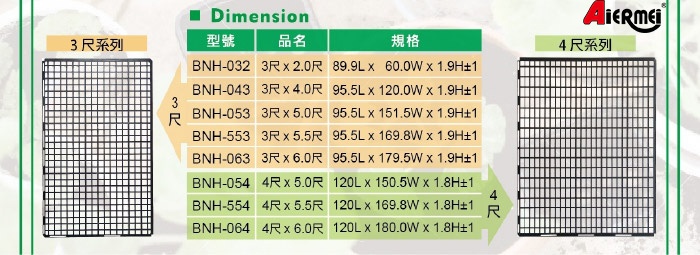
BNH-054 (4-ft Wide): Product Specifications and Manufacturing Advantages
The AIERMEI BNH-054 composite plastic grow bed bench is designed in a 4-ft wide specification, suitable for mid-to-large greenhouse bench systems. It is manufactured on proprietary production lines by Yeou Cherng Plastic Industry Co., Ltd., with quality control from material selection through to the molding process handled entirely in-house.
Bench Size Recommendations for Different Greenhouse Scales
In addition to the 4-ft wide BNH-054, AIERMEI also offers the 3-ft wide BNH-053 composite plastic grow bed bench, providing a range of sizes to meet different bench configurations and greenhouse scales. Generally speaking, mid-to-large multi-span greenhouses or growing areas that require a larger load-bearing surface are better suited to the 4-ft wide specification, which reduces the number of seams and improves overall structural stability. Greenhouses with more limited space, or those needing more flexible bench layouts, may instead consider the 3-ft wide specification, which allows for easier adjustment based on actual growing zones. A dedicated article covering the detailed specifications and applications of the 3-ft wide bench will follow separately.
Before purchasing, it is advisable to first confirm the following: the existing span and dimensions of your greenhouse bench frame, the pot weight and load-bearing requirements of your crops, and whether you need to frequently reconfigure your bench layout — all of which will affect the most suitable bench specification and order quantity.
Frequently Asked Questions About Plastic Grow Bed Benches
Q1: Is a plastic grow bed bench really more durable than a metal frame?
In terms of weather resistance and corrosion resistance, composite plastic grow bed benches do have an advantage, as the material itself is UV-resistant and does not easily rust from moisture or sun exposure, allowing structural stability to remain largely unaffected by environmental conditions over time. Metal frames offer high structural strength, but are more prone to rust in high-humidity greenhouse environments, and their long-term durability depends heavily on maintenance frequency.
Q2: How much weight can a plastic grow bed bench support? What pot weights is it suitable for?
Load capacity varies depending on the underlying bench frame design and the bench specifications. Composite plastic grow bed benches are structurally reinforced for common growing scenarios such as standard greenhouse seedling trays, small-to-medium pots, and orchid greenhouses (e.g., Phalaenopsis). If you have special load-bearing requirements, it is recommended to confirm these with your supplier in advance.
Q3: How should a grow bed bench be maintained or cleaned?
Maintaining a plastic grow bed bench is relatively simple, as the material does not easily accumulate scale or rust. Routine care only requires periodically clearing away plant residue and substrate buildup from irrigation, with no need for additional rust-proofing treatment — one of the reasons it saves long-term maintenance labor compared to a metal frame.
Q4: What greenhouse frame systems can plastic grow bed benches be used with?
Composite plastic grow bed benches are generally designed to be compatible with the span dimensions of existing metal bench frames, making it easy for operators to replace metal benches with plastic ones on top of their existing greenhouse structure, without needing to make major changes to the overall frame system. This is a preferred approach for many operators when upgrading their equipment.
Conclusion
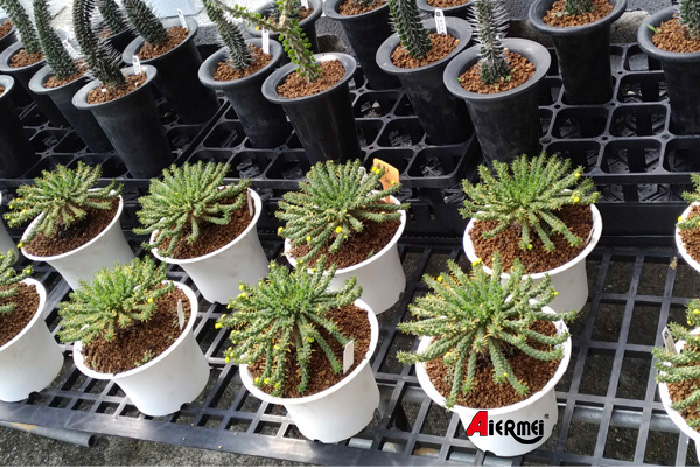
From heat insulation and ventilation to moisture control and pest protection, grow bed benches remain an essential foundation material in professional greenhouse cultivation. The key differences between plastic grow bed benches and traditional metal frames come down to durability, maintenance cost, and overall total cost of ownership. If you are looking for a more cost-effective and sustainable grow bed bench solution for your greenhouse or nursery, we invite you to learn more about the full specifications of the AIERMEI composite plastic grow bed bench, or contact us directly to discuss your purchasing needs.