- Blog
- 2026/07/13
How to Choose the Right Rectangular Bonsai Pot: From Aesthetic Pot Shape to Root Care
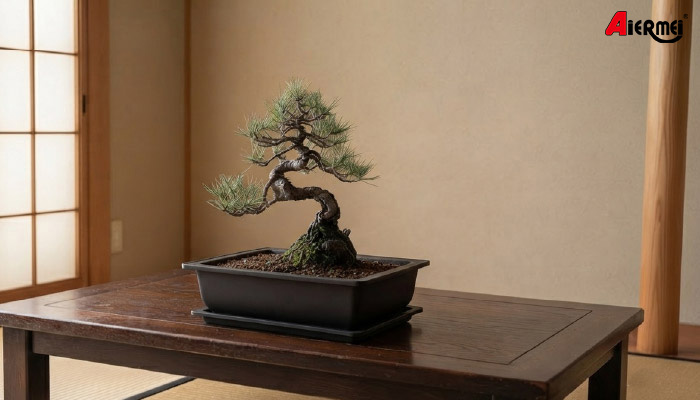
Have you ever noticed how the same pine or juniper can take on a completely different character simply by changing its pot? Part of what makes bonsai so captivating is that beyond the tree's own shape, the choice of pot is often what determines whether the overall composition succeeds aesthetically. In this article, we combine our factory's material expertise with traditional bonsai pot-selection wisdom to help you understand how to choose, arrange, and care for a rectangular bonsai pot.
I. Why Does Pot Shape Affect a Bonsai's Aesthetic? Three Unique Advantages of Rectangular Pots
A veteran bonsai enthusiast once shared that after spending three years cultivating the ideal shape for his five-needle pine, he simply switched its pot — and a friend's first reaction was, "Did you replace this tree? It feels so much more evocative now." The tree hadn't changed at all; only the pot shape had.
This is one of the most overlooked details in bonsai aesthetics: shallow rectangular pots designed specifically for bonsai and root-over-rock plantings are, in traditional bonsai composition theory, considered especially suited to conveying an open, tranquil, distant landscape feel. They effectively extend the depth and length of the visual composition, giving a single tree the presence of an entire mountain-and-water scene. This is exactly why many craftsmen are so particular about matching pot shape to tree form when selecting a rectangular pot, rather than simply picking whatever "looks pleasant."
Next, let's break down the real aesthetic advantages of rectangular pots, along with the trade-offs that are easy to overlook when choosing one.
1. Rectangular Pots vs. Round/Square Pots: Differences in the Tree Styles They Best Express
Round and square pots tend to create a focused, upward-reaching visual impression, making them well suited to dramatic rock-like or single-peak tree forms. Rectangular pots, with their extended horizontal lines, are especially suited to pines or deciduous bonsai with wide, horizontally spreading branches, reinforcing the overall composition's sense of stability and spatial depth. This makes them the go-to choice for craftsmen composing distant mountain-and-water landscape styles.
2. How Does a Shallow Pot Highlight the Bonsai's Subject? The Aesthetic Logic of "A Shallow Pot Reveals the Subject"
In traditional bonsai aesthetics, the shallower and smaller the pot, the more it highlights the tree itself as the true subject, naturally drawing the viewer's eye to the branches and overall form rather than letting the pot steal attention. This is why so many classic bonsai works deliberately use shallow, understated rectangular pots to showcase the tree's character.
3. But What About the Roots? Balancing Shallow-Pot Aesthetics with Root Growth Space
While shallow pots look beautiful, they also mean limited space for root development, which over time can affect nutrient uptake and overall vigor. In practice: mature specimens with an already-established shape, aimed purely at artistic display, do well in shallower rectangular pots. Younger trees still developing their form, whose roots need continued room to grow, should instead use slightly deeper pots, transitioning to shallow ones once the shape has stabilized. Once you understand the relationship between pot shape and aesthetics, the next natural question is: what pot material is both durable and easy to maintain?
II. How to Choose the Material for a Rectangular Bonsai Pot? Comparing Purple Clay, Ceramic, and Plastic
"Is this pot actually suitable for outdoor landscaping?" This is one of the most common questions our factory receives, and it's also the most practical consideration when choosing a material.
Take polypropylene (PP) as an example: according to industry accelerated-aging tests for outdoor plastic products, Aiermei rectangular bonsai pots formulated with adequate UV stabilizers and designed with evenly distributed drainage holes can last 3 to 5 years or more, meeting both of the core outdoor-display requirements: weather resistance and drainage. Material choice doesn't just affect visual appeal — it directly determines whether a pot can actually withstand wind, rain, and sun over time. Below, we break down the pros and cons of three common materials.
1. Purple Clay Pots — The Classic Choice for Mature Bonsai, Combining Breathability and Texture
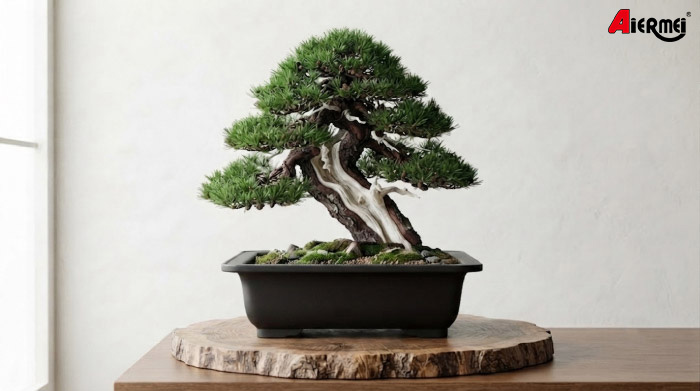
Purple clay pots have a fine, rustic, elegant texture and excellent breathability, making them broadly suitable for many types of trees — especially mature, established specimens, whose weathered, ancient character they beautifully complement. This has made purple clay a favorite among many experienced enthusiasts, though it does come with the trade-offs of greater weight and lower impact resistance.
2. Ceramic/Porcelain Pots — Elegant, but Not Ideal for Mature Bonsai? Understanding the Pairing Pitfalls
Porcelain pots have a luxurious, glossy appearance but comparatively poor breathability, making them less suitable for mature bonsai aiming for a weathered, ancient aesthetic. They tend to work better as decorative display pots for flowering or fruiting trees. When purchasing, it's also advisable to avoid overly vivid colors, which can distract from the bonsai itself.
3. Plastic/Resin Pots — A Modern Choice for Bonsai: Lightweight, Waterproof, and Weather-Resistant
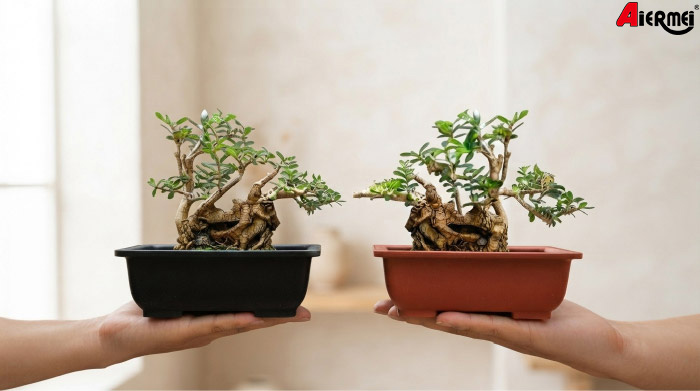
Compared to purple clay and ceramic, plastic bonsai pots formulated with UV stabilizers are lightweight, resistant to cracking, and able to withstand outdoor wind and rain without becoming brittle or fading. Paired with drainage holes evenly spaced along the long sides, they effectively prevent waterlogged, rotting roots. This makes them a practical, weather-resistant modern option, particularly well suited to enthusiasts who frequently move their bonsai or keep them in outdoor display settings.
III. How Should a Rectangular Bonsai Pot Be Displayed? Indoor/Outdoor Placement and Daily Care Essentials
We once helped a nursery client resolve a case where a batch of rectangular shallow bonsai pots displayed in an outdoor exhibition area suffered widespread root rot after continuous heavy rain during typhoon season, due to poorly designed drainage holes. In the end, the entire batch had to be repotted. This case highlights a fact that's often overlooked: a rectangular bonsai pot isn't just a display container — its drainage design, paired with the placement environment, directly affects whether the plant lives or dies. Below are the key points for indoor/outdoor placement and daily care.
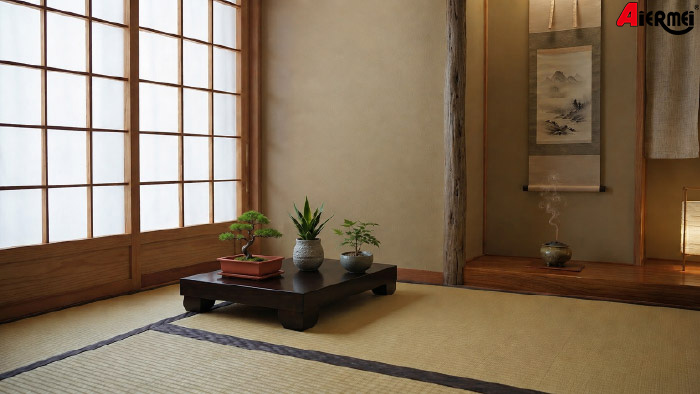
1. Tatami Tea Tables and Entryway Displays — Recommended Pot Shape and Size for Indoor Settings
For indoor display, choose a shallower, more refined rectangular pot, proportioned to the table or display stand — ideally about 1/2 to 2/3 the width of the table surface. This avoids an oversized, overpowering look and helps the tree's lines blend more naturally into the space.
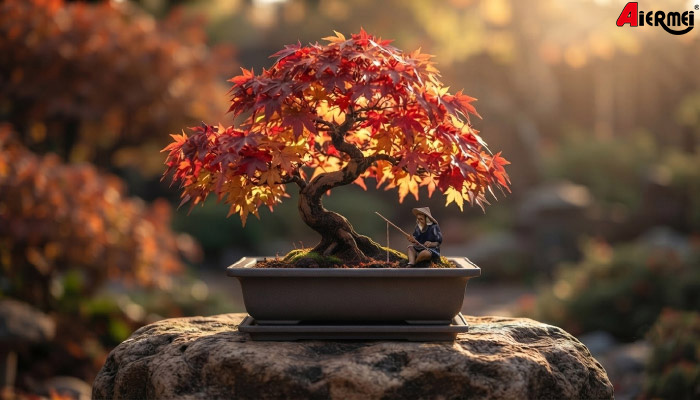
2. What to Watch For When Moving a Bonsai to an Outdoor Courtyard Display
When moving a bonsai outdoors, confirm the pot material has UV and weather resistance treatment to avoid long-term brittleness and cracking from sun and rain exposure. It's also advisable to add a raised stand or feet under the pot to keep the base ventilated, reducing the risk of root disease caused by trapped moisture and heat.
3. How Drainage Hole Design Critically Affects Root Health
An ideal rectangular bonsai pot should have drainage holes evenly spaced along the long side of the base. Here's a practical check: before repotting, test drainage speed with a small amount of water. If standing water hasn't drained within 1 to 2 minutes, the drainage design may be inadequate, and you should consider adding more holes or replacing the pot.
4. When to Repot: When Should You Consider Upgrading to a Larger Pot?
When roots are visibly emerging from the drainage holes, or the soil is drying out unusually fast, it's usually a sign the roots have filled the pot's available space, indicating it's time to repot. The best times to repot are spring or autumn, when the plant's growth is more stable and its recovery ability is stronger. From aesthetics to care, choosing the right pot involves more nuance than most people expect. If you still have questions about specifications or purchasing, we've compiled some of the most frequently asked ones below.
Frequently Asked Questions
Q1: What tree species suit a rectangular bonsai pot best?
Pines and deciduous species with wide, horizontally spreading branches suit rectangular pots especially well. For trees with tall, upright trunks, a square or round pot may better emphasize their vertical, commanding presence.
Q2: How do I choose pot depth without harming growth?
Mature, stylistically finished specimens suited for artistic display do well in shallow pots. Younger trees still developing their shape and root systems should start in slightly deeper pots, moving to shallow ones once the form is stable.
Q3: Do plastic pots look cheap and unsuitable for a tatami room?
Modern plastic bonsai pots are often finished with surface treatments that mimic the texture of purple clay or ceramic, giving them an appearance very close to traditional materials. They also offer the advantages of being lightweight, waterproof, and durable, blending naturally into both indoor and outdoor settings.
Q4: What should I watch for when moving pots between indoors and outdoors?
Choose lightweight, UV-resistant materials, and confirm the base has anti-slip pads to reduce the risk of damage or slipping during transport.
Q5: Does your factory offer customization for nurseries or garden centers ordering rectangular bonsai pots in bulk?
Our factory, Yeou Cherng, can typically adjust size, color, and surface finish based on existing molds, and can also develop dedicated molds. We recommend discussing specifications, quantity, and lead time with our sales team in advance for the most accurate quote.
Conclusion: Choose the Right Rectangular Bonsai Pot for a More Evocative, Longer-Lasting Tree
From pot-shape aesthetics and material properties to daily care, a rectangular bonsai pot may look like a simple container, but it's actually a key detail that determines both the overall character of your bonsai and the health of the plant. If you're unsure what specifications best suit your bonsai, or if you have needs for bulk purchasing, custom sizing, or surface finishes, feel free to contact our product team directly. We'll provide the most suitable recommendations and quotes based on your actual use case.