- Blog
- 2026/10/02
Quick Answer
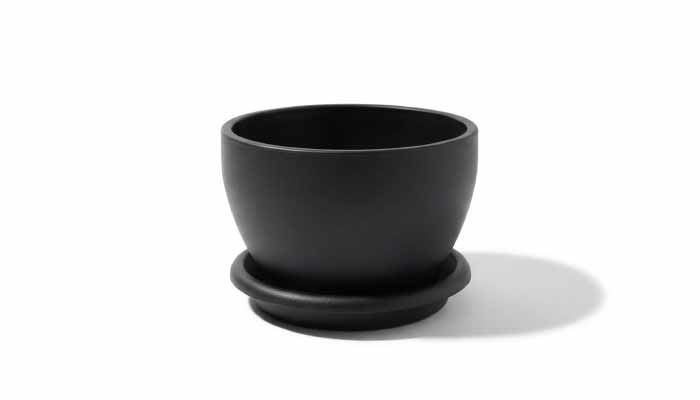
A plastic pot saucer is a shallow, flat drainage tray placed beneath a plant pot or planter to catch excess water runoff and protect the surface beneath, functioning as a companion accessory to plastic planters and nursery pots rather than a standalone product category. Buyers sourcing plastic pot saucers at wholesale volume should prioritize precise fit tolerance with the specific planter sizes they sell, adequate water holding capacity relative to typical overwatering scenarios, and material durability under sustained water exposure, since a mismatched or undersized saucer undermines the customer's experience with an otherwise well-chosen planter.
Why Pot Saucer Fit Tolerance Matters More Than It Seems
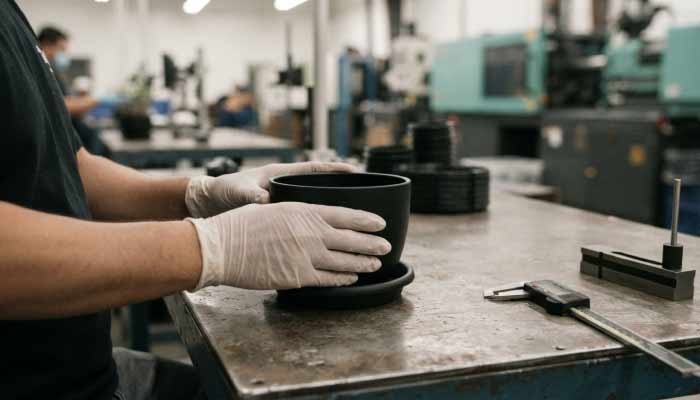
A pot saucer that is even slightly too small or too large for its matching planter creates a visibly poor product pairing and a genuinely frustrating customer experience — too small, and water overflows the saucer edge; too large, and the pairing looks mismatched and can wobble. Buyers selling planters and saucers as coordinated sets, or expecting customers to purchase saucers separately to match existing planters, should specify precise saucer diameter tolerances relative to their planter product line's actual base diameters, not just nominal size labels that can vary between manufacturers.
- Confirm saucer diameter tolerance is specified relative to actual planter base measurements, not just nominal size labels
- Test fit with actual production samples of both the saucer and its intended matching planter before finalizing an order
- Consider that nominal size labels can vary between manufacturers, making direct measurement verification essential for coordinated sets
Water Holding Capacity and Overflow Prevention
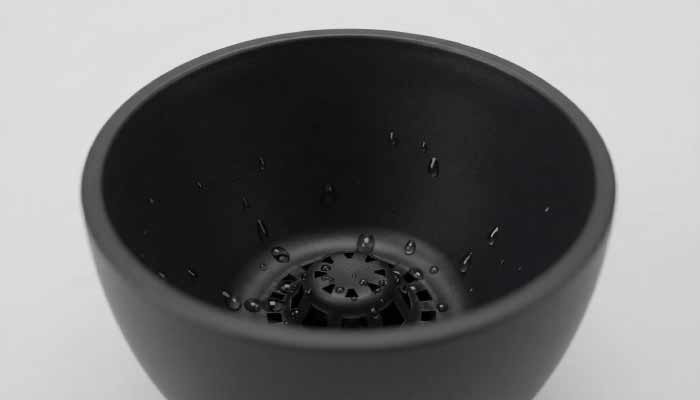
A saucer's practical water holding capacity — not just its visual size — determines how well it protects surfaces beneath a watered plant from overflow damage. Saucer depth, wall height, and overall volume all factor into genuine holding capacity, and buyers should evaluate these dimensions relative to realistic overwatering scenarios their end customers are likely to create, rather than assuming a saucer that merely looks proportional to its planter will hold adequate water volume.
|
Design Factor |
Why It Matters |
|
Saucer wall height |
Determines maximum water holding depth before overflow occurs |
|
Base diameter tolerance |
Determines fit precision with the matching planter, preventing wobble or gaps |
|
Material rigidity |
Affects resistance to warping under sustained water weight and temperature exposure |
|
Surface texture |
Some designs include raised ridges to lift the planter base, improving airflow and reducing staining |
Material Durability Under Sustained Water Exposure
Because pot saucers hold standing water for extended periods, material selection directly affects how well a saucer resists staining, warping, and UV degradation over its service life, particularly for saucers used outdoors or in sun-exposed indoor locations. Buyers should specify UV-stabilized resin for saucers intended for outdoor or bright indoor use, since non-stabilized plastic can discolor and become brittle more quickly under these conditions.
- Confirm UV stabilization level appropriate for the saucer's intended indoor or outdoor use environment
- Evaluate resin rigidity and resistance to warping under sustained water weight, particularly for larger saucer sizes
- Consider color and surface finish options that resist visible water staining over time, particularly for lighter-colored saucers
Standard Saucer Shapes and Configurations
- Round saucers, the most common configuration matching standard round planters and nursery pots
- Square saucers, matching square planters and offering more efficient shelf and bench space utilization
- Deep saucers, designed for larger planters or situations requiring extended water holding capacity between waterings
- Raised-ridge saucers, which elevate the planter base slightly above standing water for improved drainage and reduced root rot risk
Coordinating Saucer and Planter Product Lines
Retailers and garden centers generally see stronger sell-through when saucers are offered as a clear, easy-to-identify match to specific planter sizes within their product line, since customers often don't want to guess or manually measure to find a compatible saucer. Buyers should work with their supplier to establish a clear sizing and labeling system that makes matching saucers to planters straightforward for end customers, whether through matched size numbering, color coding, or clear packaging callouts.
- Establish a consistent sizing system that makes saucer-to-planter matching intuitive for retail customers
- Consider offering saucers in the same color options as your matching planter line for cohesive retail presentation
- Discuss packaging or display options that visually communicate which saucer matches which planter size
Evaluating a Plastic Pot Saucer Supplier
- Request saucer samples alongside your actual planter product line to verify precise fit tolerance
- Confirm UV stabilization and material rigidity specifications appropriate for your saucers' intended use environment
- Evaluate water holding capacity relative to realistic customer overwatering scenarios for each saucer size
- Discuss minimum order quantity and lead time alignment with your planter product line's own ordering cycle
Stacking and Shipping Efficiency for Saucers
Like nursery pots, saucers benefit from efficient nesting for shipping and storage, and shallow, relatively flat saucer designs generally nest more efficiently per shipping volume than deeper saucer designs. Buyers ordering saucers across a range of sizes should evaluate nesting efficiency across the full size range they intend to stock, since shipping cost efficiency compounds meaningfully at wholesale volume.
Nesting efficiency also interacts with the fit tolerance requirement discussed earlier, since saucers engineered to nest extremely tightly for shipping can sometimes be more prone to sticking together during warehouse unpacking, requiring a deliberate design balance between shipping density and ease of handling once the saucers arrive at their destination.
Recycled Content and Sustainability Alignment
As with matching planter lines, buyers increasingly want pot saucers available with recycled plastic content options, both to align with broader company sustainability positioning and to meet increasing end-customer expectations around environmentally responsible garden products. Discussing recycled content availability alongside the same durability and fit requirements outlined earlier helps ensure sustainability goals don't come at the cost of core functional performance.
- Confirm recycled-content saucers maintain the same fit tolerance and rigidity standards as virgin resin equivalents
- Ask whether recycled content options are available consistently across your full saucer size range, not just select sizes
Indoor vs. Outdoor Saucer Considerations
Saucers intended primarily for indoor use face different practical requirements than those intended for outdoor patios or garden settings, since indoor saucers must protect furniture, flooring, and windowsills from water damage and staining, while outdoor saucers face weather exposure and typically less concern about surface protection but greater concern about long-term UV durability. Buyers should clarify the primary intended use environment for each saucer size and communicate this clearly to their supplier, since material and finish choices can reasonably differ between these two use cases.
- Indoor-focused saucers benefit from finishes and colors that minimize visible water staining on furniture or flooring
- Outdoor-focused saucers should prioritize UV stabilization and weather resistance over surface staining concerns
- Consider offering both an indoor-optimized and outdoor-optimized line if your planter product range spans both use cases
Retail Display and Merchandising Considerations
Because pot saucers are often an add-on or secondary purchase alongside a primary planter, retail display placement and merchandising can meaningfully affect attachment rate — the percentage of planter buyers who also purchase a matching saucer. Buyers should consider working with their supplier on packaging or display fixture options that make saucers easy to find and clearly matched to nearby planter displays, since a saucer that isn't visibly available near its matching planter is unlikely to be purchased as an add-on.
Bundling a saucer directly with its matching planter as a pre-packaged set is another approach some retailers favor, trading a small amount of packaging flexibility for a near-guaranteed attachment rate and a simpler purchase decision for the end customer.
Evaluating Total Landed Cost, Not Just Unit Price
Because saucers are typically a lower-margin add-on item compared to the primary planter purchase, buyers sometimes focus disproportionately on unit price when comparing suppliers, overlooking how nesting efficiency, minimum order quantity, and defect rate affect the true total landed cost per usable saucer. A slightly higher unit price from a supplier with tighter fit tolerance, better nesting efficiency, and lower defect rates can often work out to a lower effective cost once these factors are accounted for.
Common Mistakes When Sourcing Plastic Pot Saucers
- Relying on nominal size labels rather than actual measured fit tolerance when matching saucers to a planter line
- Underestimating water holding capacity needs relative to realistic customer overwatering scenarios
- Selecting non-UV-stabilized material for saucers that will see outdoor or bright indoor sun exposure
- Failing to coordinate saucer and planter ordering cycles, leading to mismatched inventory availability
Working With a Supplier on Custom Saucer Development
Buyers with a distinctive planter product line, unusual base shapes, or specific retail presentation goals may benefit from working directly with a manufacturer on custom saucer development precisely matched to their planter dimensions rather than sourcing saucers as a fully separate, generically sized product.
- Share exact planter base dimensions and shapes to guide precise custom saucer fit development
- Discuss color matching and any branding or embossing options relevant to your retail presentation
- Request trial quantities of any custom saucer design before committing to full production volume
Frequently Asked Questions
Q. Why does saucer fit tolerance matter so much?
A saucer that's too small overflows, while one too large looks mismatched and can wobble, both hurting the customer experience.
Q. Should I match saucer size by nominal label or actual measurement?
Actual measurement is more reliable, since nominal size labels can vary between different manufacturers' planter lines.
Q. What material properties matter most for pot saucers?
UV stabilization for outdoor or bright indoor use, and rigidity to resist warping under sustained water weight.
Q. What is a raised-ridge saucer design used for?
It elevates the planter base slightly above standing water, improving drainage and reducing root rot risk.
Q. How can retailers improve saucer-to-planter matching for customers?
A consistent sizing or color-coding system and clear packaging callouts make matching intuitive for retail customers.
Q. Does saucer shape affect shipping efficiency?
Yes — shallower, flatter saucer designs generally nest more efficiently per shipping volume than deeper designs.
Q. Can pot saucers be custom-made to match a specific planter line?
Yes — manufacturers can develop custom saucers precisely matched to specific planter base dimensions and shapes.
Q. What water holding capacity should I look for in a saucer?
Capacity should be evaluated against realistic overwatering scenarios for each specific saucer size, not just visual proportion.
Conclusion
Sourcing plastic pot saucers effectively means treating them as a functional companion product requiring precise fit, adequate water capacity, and durable materials, rather than as an afterthought accessory to a planter order. Buyers who verify actual fit tolerance and water holding capacity with real samples consistently deliver a stronger, more coordinated customer experience than those who source saucers based on nominal sizing alone.
As garden centers and retailers continue to look for ways to increase average order value through coordinated product pairings, a well-matched, reliably functional saucer line can meaningfully support planter sell-through and customer satisfaction in ways that are easy to overlook until a mismatch creates a visible problem on the shelf.
Buyers who build saucer fit and capacity verification into their standard planter sourcing process ultimately deliver a more complete, professional product offering that genuinely serves both retailers and their end customers.
Treating saucers as an integral part of the planter buying decision, rather than an afterthought line item, consistently pays off in stronger attachment rates, fewer post-purchase complaints, and a more cohesive retail presentation that reflects well on the overall product line.
A supplier willing to engage on fit precision, capacity, and coordinated presentation, rather than simply quoting a generic saucer size chart, is generally well positioned to support a growing planter product line over the long term.