- Blog
- 2026/08/14
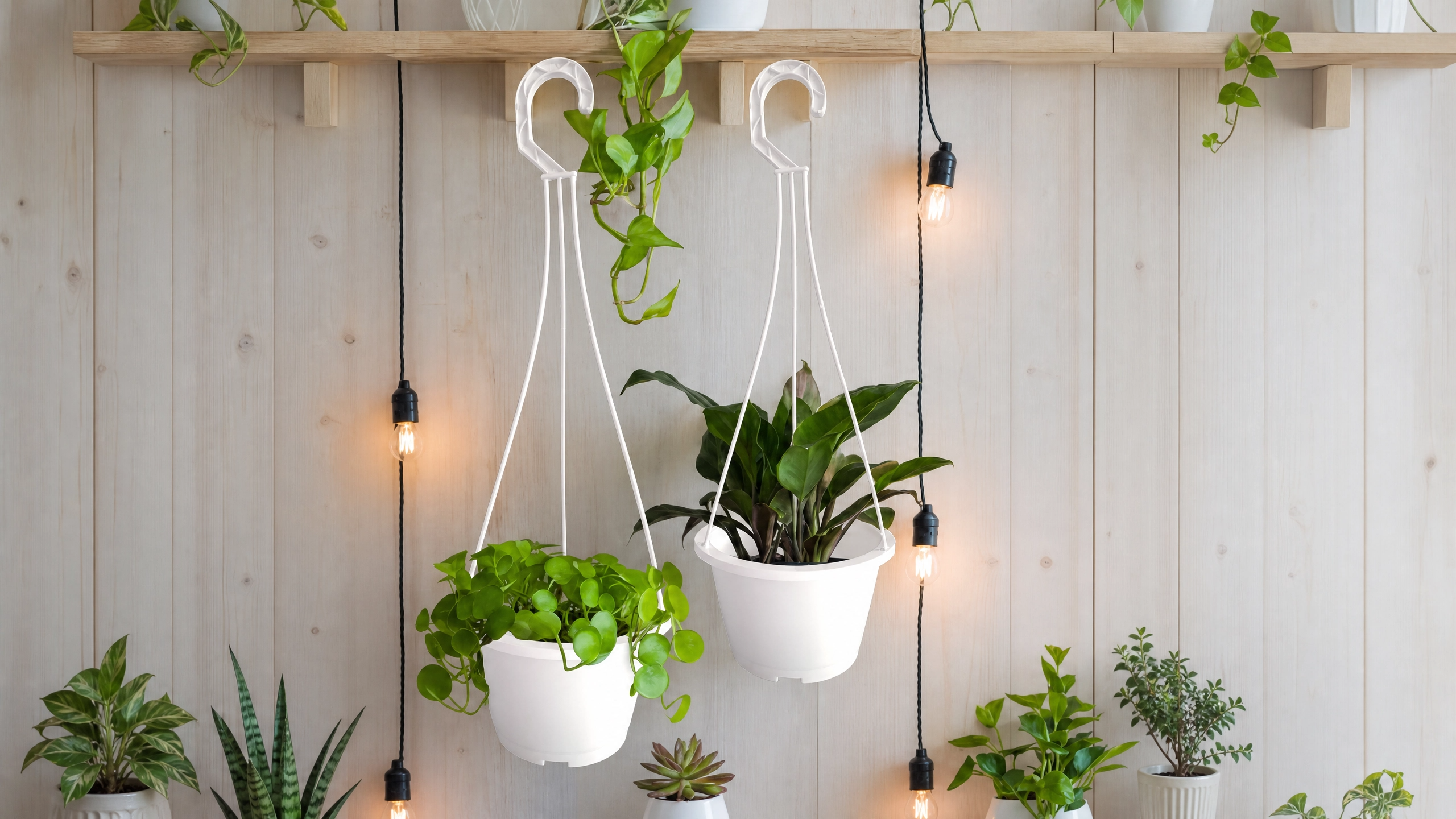
Have you ever stood in front of a garden shop or online store, staring at rows of hanging planters and not knowing where to start? Which material is best, which plants will actually thrive, and where should you hang it so you don't end up with water all over the floor? These are the questions beginners ask most — and they all have clear, practical answers. As a manufacturer with over 40 years of experience in horticultural plastic injection molding, we want to walk you through how to choose the right hanging planter from both a product-design and plant-care perspective, so whether you're buying for yourself or helping a customer choose, you'll know exactly what to look for.
1. What Is a Hanging Planter? 3 Basic Concepts to Understand Before You Buy
Before getting into plant pairing and placement tips, it helps to understand what sets a hanging planter apart from a standard pot — it'll help you focus on what actually matters when choosing one.
1. No Saucer Design — What Does That Mean?
Most hanging planters don't come with a saucer (drip tray). This is intentional — it keeps the pot lightweight for hanging and avoids the extra weight of standing water. Excess water simply drains straight out through the drainage hole after watering, so placement and watering habits need a small adjustment. That said, this is exactly what keeps a hanging planter light and easy to hang in the first place.
2. How Practical Is the Hook Design?
People often focus heavily on the hook structure when choosing a planter, but for everyday use, what really matters is how easy it is to hang up, whether you need extra tools to install it, and how convenient it is to take down for watering. We recommend test-hanging it in person — check whether the hook opening is easy to work with and whether you can comfortably lift it down when it's time to water.
3. Choosing the Right Material: Plastic vs. Ceramic vs. Concrete for Beginners
Plastic hanging pots are lightweight, easy to move, and weather-resistant with good colorfastness — ideal for beginners and anyone who likes to rearrange their space often. Ceramic pots have a premium look but are heavier and need attention to breathability. Concrete pots have a raw, rustic style and good insulating properties, but they're also heavier and better suited to a fixed, permanent spot. If this is your first time hanging planters, starting with lightweight plastic makes both handling and maintenance much easier.
2. Which Plants Are Best Suited for Hanging Planters? Key Selection Principles
Choosing the right pot is only step one — choosing the right plant is what keeps the whole display looking good and easy to maintain.
Trailing and Vining Plants Are the Perfect Match for Hanging Pots
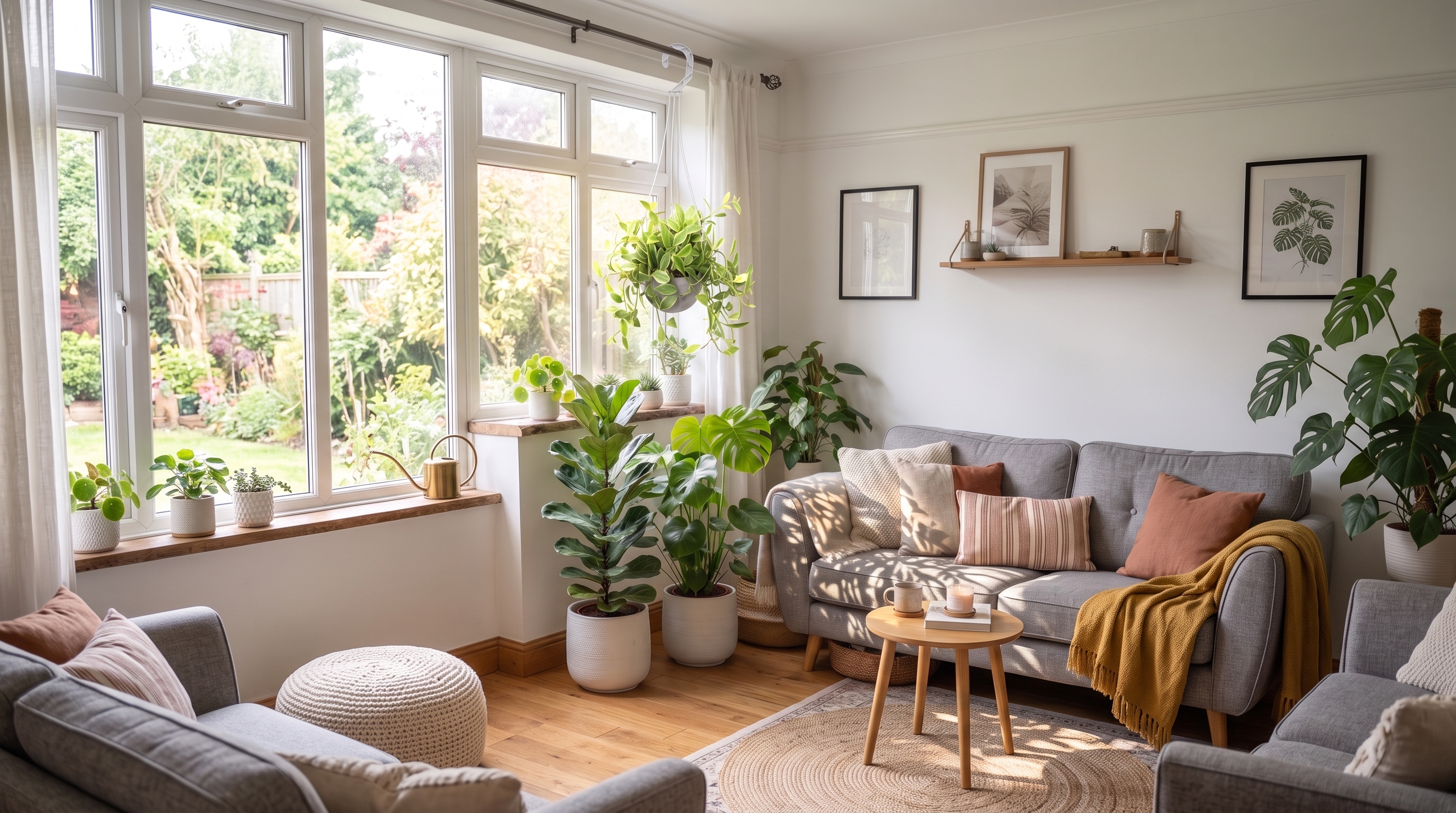
Pothos, polka dot begonia, English ivy, and devil's ivy are classic choices for hanging planters. As their stems and leaves naturally cascade downward, they show off the layered, spatial effect that hanging pots are known for — and they're also some of the easiest, most forgiving plants for beginners to start with.
Drought-Tolerant, Shallow-Rooted Plants Suit Hanging Environments Best
Since most hanging planters don't hold standing water, it's best to choose drought-tolerant plants that don't need frequent watering — succulents, snake plants, and certain ferns are good options. Shallow-rooted plants also suit the limited depth of a hanging pot better, since their roots won't be constrained by a smaller container.
Common Plant-Selection Mistakes Beginners Make
The most common mistake is choosing a plant that needs a lot of water or has deep roots — certain foliage plants or edible crops, for example — which leads to watering that can't keep up, or roots that outgrow the limited space. Before you buy, check the plant's drought tolerance and root structure so you can match it to the right pot size and watering schedule.
3. Will a Pot Without a Saucer Leak? How to Choose a Worry-Free Placement
This is one of the most common questions beginners ask — but once you know a few basic placement principles, you can keep things both attractive and easy to clean.
How to Choose an Indoor Location
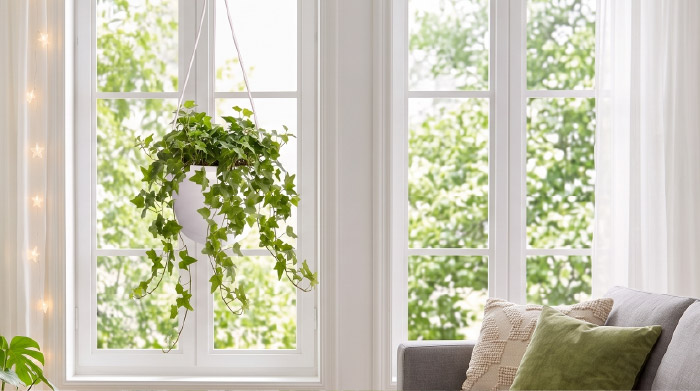
Avoid hanging directly over hardwood floors, carpets, or furniture. Choose easy-to-clean surfaces like tile or concrete flooring instead, or place a waterproof tray or mat underneath to catch any drips — this keeps things looking good without the cleanup hassle.
Basic Considerations for Balcony and Outdoor Hanging
For outdoor hanging, choose a weather-resistant material and a drainage-hole design that doesn't trap water, and make sure the wall or structure you're hanging it on is stable and stays dry — prolonged moisture can damage certain wall materials over time. For weight-bearing considerations during installation, see the FAQ section at the end of this article.
A Beginner's Styling Tip: Create Visual Focal Points with Varying Heights
Try hanging plants at different heights to create a staggered, layered look — pairing wall-mounted shelves with hanging ropes of different lengths, for example. This is one of the easiest styling techniques for gardening beginners, and it lets even a small space show off a rich sense of greenery.
4. Trailing Plant Styling: From a Single Pot to a Group Display for a Greener Home
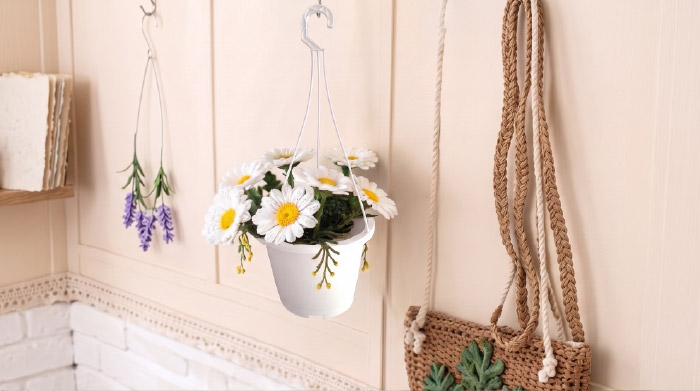
Beyond saving floor space, a hanging planter's trailing plants can add a natural focal point to your living room, study, balcony, or windowsill. Before you start styling, take a look at the light, airflow, humidity, and available mounting spots in the space, then choose the right pot and hanging method based on the plant's needs — that way, both the look and the ongoing care stay manageable.
Single-Pot Styling: Start With Light and Space Conditions
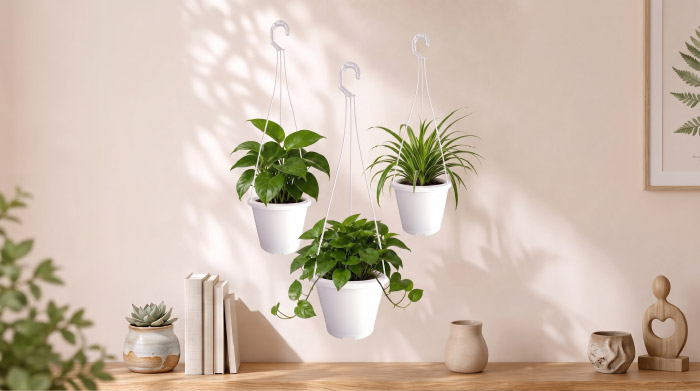
If this is your first time with a hanging planter, start with a single pot in a spot with bright light, good airflow, and easy access for watering. Trailing plants like pothos, English ivy, and string of hearts naturally form downward-flowing lines, while air plants or small ferns work well on a windowsill, shelf, or other lightweight hanging spot. Your final choice should always come down to the plant's light and water needs — don't pick purely for looks and overlook ongoing care.
Group Styling: Create Layers of Green With Varying Heights
To add richer greenery to a space, try combining hanging planters of different sizes, paired with ropes, shelving, or wall brackets of varying lengths to create a staggered, layered effect. Start with one visual focal point, then gradually build outward with additional plants, keeping enough spacing so leaves don't crowd each other or block airflow. This single-pot-to-group approach lets you build a lush, cascading display without taking up much floor space at all.
Confirm Safe Mounting and a Convenient Care Routine Before Installing
Before installing, check that your wall, ceiling, or bracket can support the load, and factor in the combined weight of the pot, plant, and soil at full capacity. It's also worth mounting your hanging planters somewhere convenient for regular watering, pruning, and inspection — and check hooks and ropes periodically for wear or loosening. Plan for both safety and an easy care routine from the start, and your trailing plants will stay lush, tidy, and full of character for the long haul.
FAQ
Q1. Does a hanging planter need a saucer?
Most hanging planters are designed without a saucer to keep them lightweight and easy to hang. If you're worried about drips, you can place a waterproof tray underneath, or choose drought-tolerant plants that need less frequent watering — both options keep things looking good while staying easy to clean.
Q2. What plants are recommended for beginners growing hanging plants for the first time?
Start with drought-tolerant, easy-care varieties like pothos, polka dot begonia, or succulents. They trail beautifully, are hard to kill, and let you see results quickly — a great way to build confidence before trying more demanding plants.
Q3. How much weight can a hanging planter hold? Is it safe to install?
Depending on the material and hook design, most plastic hanging planters are rated for roughly 3 to 8 kg (including soil and plant at full weight). Use a sturdy hook, and check that your wall or ceiling material can bear the load — for exact figures, always refer to the supplier's tested specifications.
Q4. What is the minimum order quantity (MOQ) for wholesale hanging planters?
MOQs for standard, off-the-shelf products tend to be flexible, while custom tooling projects require a higher minimum. It's best to discuss your expected annual volume with your supplier in advance to negotiate better pricing and lead times.